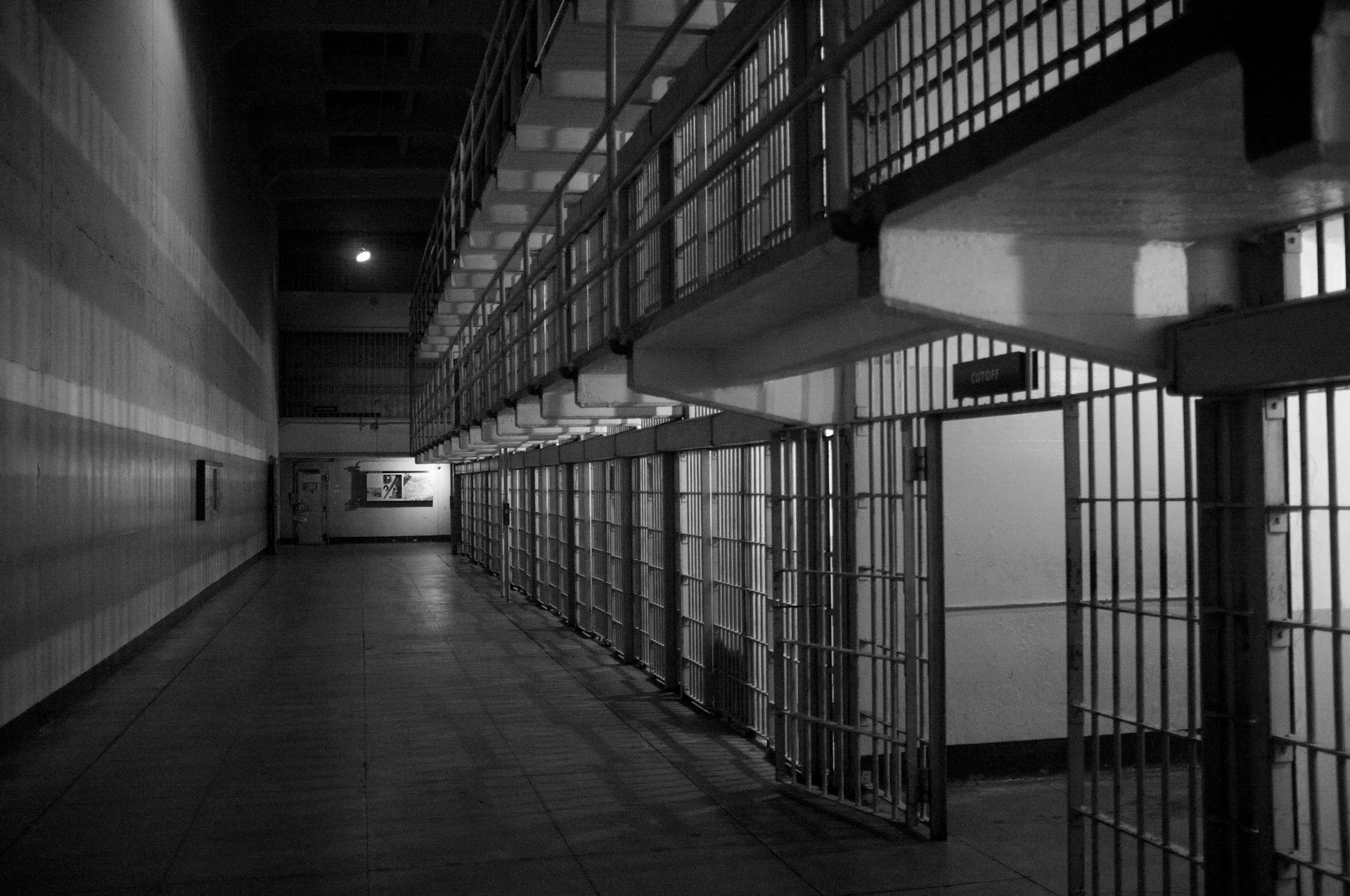
A Personal Story: Serving Life Under Colorado’s Old Felony Murder Law
Table of Contents
Felony murder reform in Colorado changed everything for people convicted after September 2021 — and changed nothing for people convicted before it. In 2020, Colorado took a step forward by abolishing the death penalty, and the following year lawmakers reformed felony murder laws. They acknowledged that intent matters and that not everyone involved in a situation where a life is lost should automatically be sentenced to die in prison. Today, felony murder carries a sentence of 16 to 48 years.
But that change did not reach everyone.
My name is Ricardo, most call me Ricky, and I am one of the individuals still serving life without parole under Colorado’s old felony murder law. I’ve been incarcerated since 1996. When I was 21 years old, I was involved in a situation where a life was lost, something I carry with me every single day. I am not here to deny my responsibility, but I did not intend for anyone to die.
Under today’s law, that distinction matters. Under today’s law, my life would not be defined by a sentence that says I will never come home.
But because of the timing, I am still here.
The question is, what do you do with time when time is all you have?
For me, I chose growth. I chose accountability. I chose to build.
I built a transportation company with my wife. I stepped into construction. I created something from nothing, not because it was easy, but because I made a decision to become more than my worst moment. That is the true meaning behind my nonprofit, Show N Prove (Getting On Before Getting Out.)
It is not just a name. It is a mindset.
Because what you do in here is a reflection of who you will be out there. Growth does not start at release. It starts with a decision.
Through Show N Prove, I focus on bridging the gap between law enforcement and incarcerated or formerly incarcerated individuals. We create space for communication, accountability, and understanding. We work toward rebuilding trust where it has been broken. We push the idea that change is possible, but it must be intentional.
I am living that work daily.
I wake up every day knowing I may never get the chance to prove who I’ve become outside these walls. But I continue to grow anyway. I continue to build anyway. I continue to hold myself accountable anyway.
Because this is bigger than me.
There are over 100 individuals in Colorado still serving life without parole under a law the state has already recognized as too harsh. Some made mistakes. Some exercised poor judgment. Some never intended for a life to be taken. Yet all remain sentenced under a system that no longer reflects today’s standards of justice.
If the law has evolved, justice should evolve with it.
This is not about excusing the past. This is about acknowledging growth, accountability, and the possibility of redemption. It is about giving people the opportunity to be judged by who they are today, not just who they were at their lowest moment.
I am asking for fairness. I am asking for the chance to be seen under the same standard that exists today.
We call on Colorado leadership to make felony murder reform retroactive.
Because justice should not depend on timing.
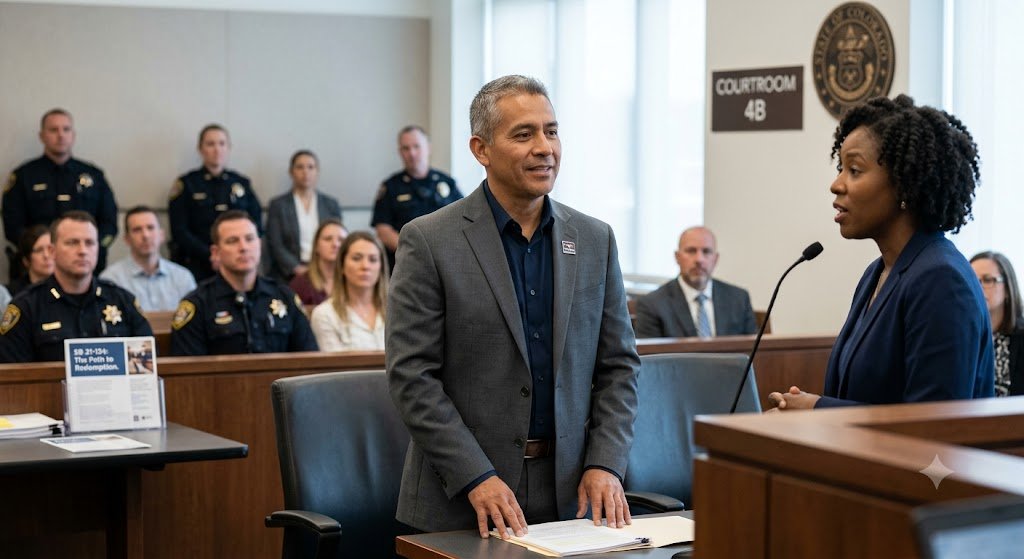
What Is Felony Murder Reform in Colorado?
Felony murder reform in Colorado refers to Senate Bill 21-124 (SB 21-124), signed into law by Governor Jared Polis on April 26, 2021, and effective September 15, 2021. For decades, Colorado’s felony murder rule allowed prosecutors to charge someone with first-degree murder, a class 1 felony, if a death occurred during certain felonies, even if that person never intended to kill anyone and did not personally cause the death. A getaway driver, a lookout, or anyone present during a robbery that turned deadly could face the exact same mandatory sentence as the person who pulled the trigger: life in prison without the possibility of parole.
Critics, including the ACLU of Colorado and the Colorado Criminal Defense Bar, argued that felony murder was an outlier in Colorado’s sentencing system because it was the only path to a first-degree murder conviction that did not require prosecutors to prove the defendant intended to cause a death. That mismatch between intent and punishment is exactly what felony murder reform in Colorado was designed to fix. You can read the full text of the law on the Colorado General Assembly’s official bill page.
How SB 21-124 Changed Sentencing
SB 21-124 made several key changes to how felony murder is charged and punished in Colorado:
- Moved felony murder from first-degree murder (a class 1 felony) to second-degree murder (a class 2 felony subject to crime-of-violence sentencing)
- Replaced the mandatory sentence of life without parole with a determinate sentence of 16 to 48 years
- Required that the death actually be caused by a participant in the underlying felony, rather than by any third party such as a responding officer
- Narrowed the affirmative defense available to defendants who played a minor role in the underlying crime
In practical terms, this means that someone charged with felony murder in Colorado today is sentenced under a completely different framework than someone convicted under the old statute, even when the underlying facts of the case are nearly identical.
Why Retroactivity Matters
SB 21-124 was not made retroactive. That single detail is the center of Ricardo’s story and the stories of more than a hundred other people in Colorado: anyone sentenced before September 15, 2021 remains bound by the old life-without-parole standard, regardless of how the legislature has since judged that standard to be unjust.
This creates a strange outcome where two people who were involved in similar circumstances, just years apart, can receive dramatically different sentences. One faces 16 to 48 years with the possibility of release. The other faces life with no possibility of parole, simply because of when their case was decided. Advocates for retroactive felony murder reform in Colorado argue that if the legislature has already determined the old law was overly harsh and out of step with the principle that punishment should match intent, that same reasoning should apply to people already serving time under the law it replaced.
Stories like this are part of a much larger global conversation. See how other countries balance accountability with second chances in our guide to Successful Prison Reform Examples Around the World, or explore the broader case for change in Why Prison Reform Matters for Public Safety.
Frequently Asked Questions About Felony Murder Reform in Colorado
What is felony murder reform in Colorado?
Felony murder reform in Colorado refers to SB 21-124, a 2021 law that changed felony murder from a class 1 felony punished by mandatory life without parole to a class 2 felony punished by a sentence of 16 to 48 years.
When did Colorado’s felony murder reform take effect?
Governor Jared Polis signed SB 21-124 on April 26, 2021, and it took effect on September 15, 2021.
Is Colorado’s felony murder reform retroactive?
No. SB 21-124 only applies to cases decided after September 15, 2021. People sentenced under the old life-without-parole standard before that date are not automatically resentenced under the new law.
What was the sentence for felony murder before reform?
Before reform, felony murder was a class 1 felony carrying a mandatory sentence of life in prison without the possibility of parole, regardless of whether the person convicted directly caused the death.
How many people are affected by the lack of retroactivity?
Advocates estimate that more than 100 individuals in Colorado are still serving life without parole under the old felony murder statute, even though the legislature has since determined that standard to be unjust.
What can be done to support retroactive felony murder reform?
Advocates encourage contacting state lawmakers, supporting organizations working on post-conviction relief, and sharing the stories of people currently serving life sentences under the old law to build public and legislative support for retroactive application.