The restorative justice programs Oakland youth participate in have become a national model for keeping young people in school and out of the justice system. This article looks at how the restorative justice programs Oakland youth rely on actually work, the outcomes they produce, and the organizations behind them.
Why Restorative Justice Programs Oakland Youth Join Are Growing
Demand keeps rising because the results are visible: schools using these approaches report fewer suspensions, and participants reoffend less than peers processed through traditional discipline or juvenile courts. The restorative justice programs Oakland youth can access today span school-based circles, community conferencing after harm, and diversion partnerships with the county — a continuum that meets young people wherever the harm occurred.
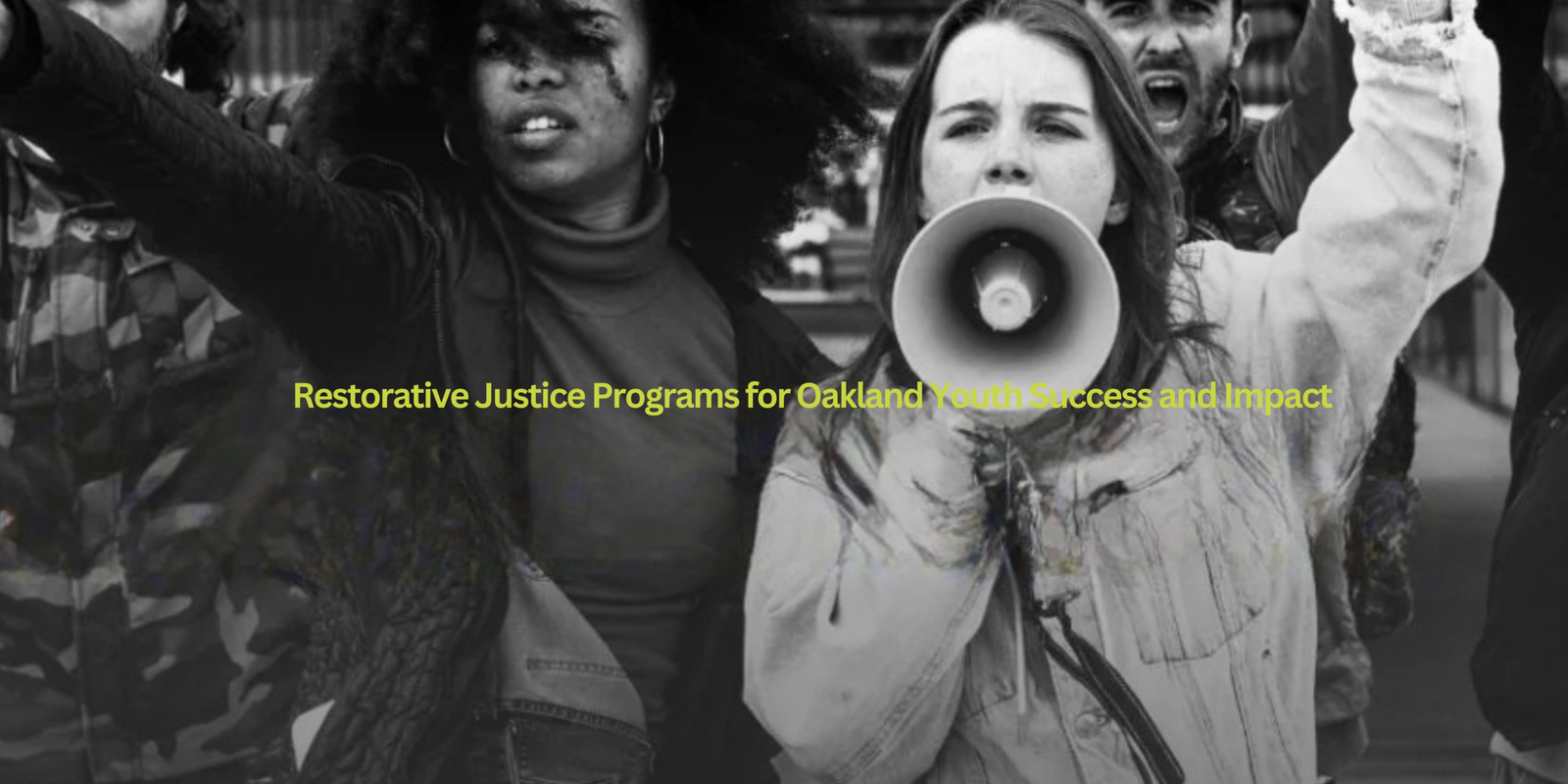
Restorative Justice Programs for Oakland Youth Success and Impact
Table of Contents
Oakland has faced significant challenges related to youth violence, crime, educational inequality, and community instability for many years. In response, many organizations, schools, and community leaders have turned toward restorative justice programs as an alternative approach to addressing conflict and preventing long-term involvement in the criminal justice system.
Unlike traditional punishment-focused systems, restorative justice emphasizes accountability, communication, healing, and rehabilitation. These programs aim to help young people understand the impact of their actions while also creating opportunities for growth, education, and positive change.
Restorative justice initiatives in Oakland have gained attention because they focus not only on reducing crime, but also on rebuilding trust within schools, families, and neighborhoods.
What Is Restorative Justice?
Restorative justice is an approach that focuses on repairing harm rather than relying solely on punishment. Instead of asking only “What law was broken?” restorative justice asks:
- Who was harmed?
- What damage was caused?
- How can accountability and healing happen?
This model encourages communication between affected individuals and focuses on rebuilding relationships wherever possible.
Restorative justice programs often involve:
- guided discussions
- mediation sessions
- accountability circles
- mentorship programs
- conflict resolution strategies
The goal is to reduce future harm while helping individuals take responsibility in a constructive way.
Why Restorative Justice Matters for Youth
Young people are still developing emotionally, mentally, and socially. Traditional punitive systems can sometimes push youth further into cycles of suspension, incarceration, or community violence.
Restorative justice programs aim to interrupt those cycles by:
- promoting accountability
- improving communication skills
- encouraging empathy
- reducing conflict escalation
- strengthening support systems
For many Oakland youth, these programs provide an opportunity to rebuild trust and remain connected to education and community resources.
Restorative Justice Programs in Oakland
Across Oakland, schools and community organizations have implemented restorative justice initiatives designed to support youth and reduce violence.
These programs may include:
- peer mediation
- mentoring initiatives
- school-based restorative circles
- violence prevention workshops
- trauma-informed counseling
- family support programs
Many programs focus on helping youth avoid deeper involvement in the justice system by addressing issues early through communication and intervention.
Benefits of Restorative Justice Programs
Encourages Accountability
Restorative justice requires individuals to acknowledge the impact of their actions rather than simply receiving punishment without reflection.
This process helps youth:
- understand consequences
- rebuild trust
- develop emotional responsibility
Accountability becomes part of personal growth rather than fear-based punishment alone.
Reduces Reoffending
Research and community reports suggest restorative justice approaches may help reduce repeat offenses among youth by focusing on long-term behavioral change.
Programs that provide mentorship, support, and conflict resolution skills can reduce the likelihood of future involvement in violence or criminal activity.
Strengthens Communities
Restorative justice encourages collaboration between:
- schools
- families
- community organizations
- mentors
- local leaders
When communities work together, young people often receive stronger support systems and healthier environments.
Improves School Environments
Many schools in Oakland have explored restorative practices as alternatives to harsh disciplinary measures.
Benefits may include:
- fewer suspensions
- improved student relationships
- reduced conflict
- stronger communication between staff and students
Keeping students engaged in education is an important factor in long-term prevention.
Addressing Trauma and Mental Health
Many young people involved in violence or conflict have experienced trauma, instability, or exposure to difficult environments.
Restorative justice programs often include:
- emotional support
- counseling resources
- trauma-informed care
- mentorship opportunities
Addressing emotional and mental health challenges is essential for long-term rehabilitation and prevention.
Challenges Facing Oakland Youth
While restorative justice programs have shown promise, many communities still face ongoing challenges such as:
- economic inequality
- housing instability
- gang violence
- educational barriers
- lack of community resources
These issues cannot be solved through punishment alone. Long-term solutions require prevention, support, education, and investment in communities.
The Role of Community Organizations
Community organizations in Oakland continue to play a major role in supporting youth through:
- mentorship
- educational support
- violence intervention
- family outreach
- employment preparation
These programs create safer environments and provide alternatives that help young people focus on positive futures.
Why Prevention and Rehabilitation Matter
Communities become stronger when they invest in prevention rather than relying only on punishment after harm occurs.
Programs focused on:
- education
- mentorship
- accountability
- emotional support
- rehabilitation
can help reduce violence while creating opportunities for long-term success.
For a deeper look into fairness, human rights, and sentencing practices within the justice system, read our article on Cruel and Unusual Punishment in the United States, which explores how excessive punishment impacts individuals, rehabilitation efforts, and modern criminal justice reform discussions.
Final Thoughts
Restorative justice programs for youth in Oakland represent a growing effort to create safer communities through accountability, healing, and support rather than punishment alone.
While challenges remain, these programs continue to demonstrate the importance of communication, prevention, mentorship, and rehabilitation in helping young people move toward better futures.
Long-term public safety is strengthened not only by enforcement, but also by giving communities and youth the resources needed to grow, heal, and succeed.
FAQs
What is restorative justice?
Restorative justice is a system focused on repairing harm through accountability, communication, and community healing rather than relying only on punishment.
How does restorative justice help youth?
It encourages accountability, reduces conflict, improves communication, and helps young people stay connected to education and support systems.
Does restorative justice reduce crime?
Many programs aim to reduce repeat offenses by addressing root causes and promoting long-term behavioral change.
Why is restorative justice important in schools?
It helps reduce suspensions, improve relationships, and create healthier learning environments.
What challenges do Oakland youth face?
Common challenges include violence exposure, economic inequality, educational barriers, and limited access to resources and support systems.
Sources & Further Reading
How can families enroll in the restorative justice programs Oakland youth are eligible for?
Most restorative justice programs Oakland youth join are accessed through their school’s restorative justice coordinator, through Alameda County probation diversion referrals, or directly through community organizations — no court involvement is required for school-based circles.