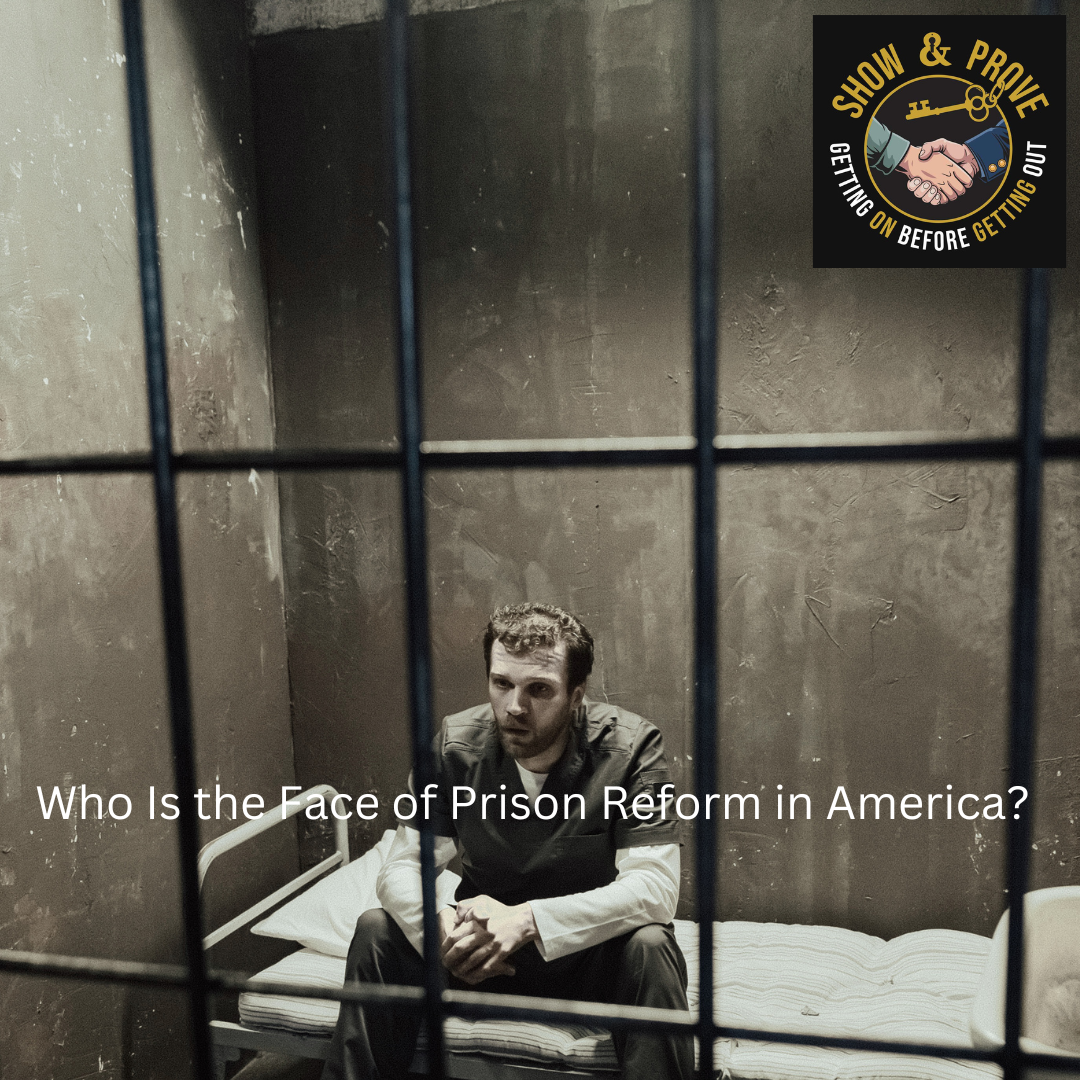
Who Is the Face of Prison Reform in America?
Table of Contents
Introduction
Prison reform has been a growing conversation in the United States for years and for good reason. With millions of people cycling through the criminal justice system annually, questions about fairness, rehabilitation, and human dignity have moved from the fringes to the mainstream. As that conversation grows louder, people naturally want to know: who is actually leading it?
The honest answer is that there’s no single figurehead. Prison reform is a broad, decentralized movement driven by lawyers, activists, formerly incarcerated people, and even celebrities. But a few names consistently rise to the top.
Bryan Stevenson: The Movement’s Moral Core
If you ask most criminal justice experts who best represents the prison reform movement, Bryan Stevenson’s name comes up almost immediately and for good reason.
Stevenson is a lawyer and the founder of the Equal Justice Initiative, an organization that has spent decades challenging wrongful convictions, fighting for death row inmates, and pushing back against a justice system that disproportionately punishes the poor and people of color. His memoir Just Mercy brought his work to a massive audience, and the film adaptation introduced it to millions more.
What makes Stevenson stand out isn’t just his legal victories it’s his moral clarity. He frames incarceration not just as a policy problem, but as a human one. For him, reform isn’t about statistics. It’s about the people behind them.
Kim Kardashian: An Unlikely but Effective Advocate
It might surprise some people to see Kim Kardashian mentioned alongside serious reform advocates, but her impact on this issue is hard to dismiss.
Her involvement started with the case of Alice Marie Johnson, a grandmother serving a life sentence for a nonviolent drug offense. Kardashian personally lobbied the White House for Johnson’s clemency and got it. Since then, she’s continued working on sentencing reform cases and has used her enormous platform to shine a light on stories that might otherwise never reach a mainstream audience.
Is she a legal scholar or a lifelong activist? No. But she has a unique ability to make these issues visible to people who might never have engaged with them otherwise, and that counts for something.
Meek Mill: Reform Born from Personal Experience
Philadelphia rapper Meek Mill didn’t set out to become a symbol of criminal justice reform it happened to him. After a series of legal run-ins that many legal observers viewed as disproportionate, his story became a lightning rod for conversations about probation systems, judicial accountability, and the cycle that keeps formerly incarcerated people trapped in the system long after their sentences end.
His experience led him to co-found REFORM Alliance, an organization dedicated to changing probation and parole laws across the country. His story resonated because it felt real not a political talking point, but something that actually happened to a real person navigating a broken system.
Where Did the Prison Reform Movement Come From?
Prison reform isn’t a new idea. Advocates have been pushing for humane treatment of incarcerated people for well over a century. But the modern movement has expanded significantly, now encompassing sentencing reform, mental health treatment inside prisons, access to education, healthcare, and serious efforts to reduce the staggering rates of people who end up back behind bars after release.
At its heart, the movement challenges a simple but deeply held assumption: that prison should be purely punitive. Reformers argue that punishment without rehabilitation doesn’t make communities safer it just delays the problem.
Why It Matters
The United States incarcerates more people per capita than almost any other country on earth. That’s not a point of pride it’s a policy failure that affects real families and real communities.
Prison reform advocates aren’t arguing for leniency toward serious crime. Most are arguing for something more practical: a system that actually works. One that reduces the likelihood someone reoffends, treats mental illness and addiction as health issues rather than moral failures, and stops warehousing people in conditions that make successful reintegration nearly impossible.
Final Thoughts
There is no single face of prison reform in America and perhaps that’s appropriate for a movement this complex. Bryan Stevenson brings legal gravitas and moral authority. Kim Kardashian brings reach. Meek Mill brings lived experience. Together, they represent different entry points into the same fundamental argument: that the current system isn’t working, and that changing it is both possible and necessary.
The conversation is far from over. If anything, it’s just getting started.
FAQs About Prison Reform
Who is the face of prison reform in America?
Bryan Stevenson is widely considered one of the leading faces of prison reform in America because of his work on wrongful convictions and sentencing reform.
Who is the face of prison reform in America in 2024?
In 2024, Bryan Stevenson, Kim Kardashian, and Meek Mill remain some of the most recognized public figures connected to prison reform efforts in America.
Who is the face of prison reform in America in 2025?
Many prison reform advocates expect Bryan Stevenson and other criminal justice reform leaders to continue influencing prison reform discussions in 2025.
Is Kim Kardashian involved in prison reform?
Yes, Kim Kardashian has supported prison reform initiatives through clemency advocacy and sentencing reform efforts.
What was the prison reform movement?
The prison reform movement focused on improving prison conditions, rehabilitation programs, sentencing laws, and inmate rights within the criminal justice system.
Why is prison reform important?
Prison reform is important because it helps improve prison conditions, reduce repeat offenses, protect human rights, and support rehabilitation programs.
What is prison reform in the US?
Prison reform in the US refers to efforts aimed at improving prisons, reducing overcrowding, reforming sentencing laws, and expanding rehabilitation opportunities for incarcerated individuals.